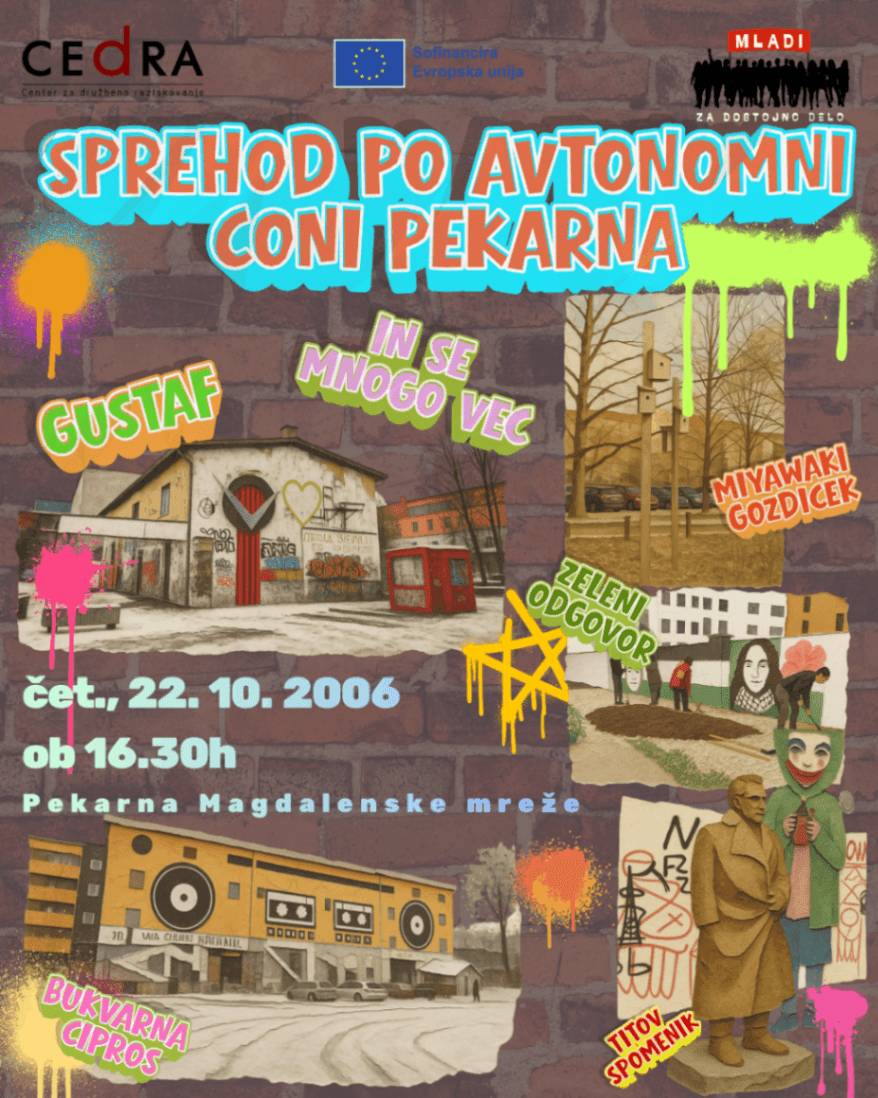
At CEDRA, we continue our activities as part of the project Young People for Decent Work, the Common Good and the Environment. We invite you to a guided walk through the Pekarna Autonomous Zone and its surroundings. Through this local example, we will explore how people organise collectively around shared needs and interests, how community spaces are created and sustained, and why solidarity, cooperation and active participation in local life matter. We will learn about Pekarna’s activities and reflect on the importance of accessible spaces where young people can meet, engage in cultural and creative activities, and take collective action. During the walk, we will also explore the connection between urban development and the environmental crisis. Looking at changes in Pekarna’s surroundings, we will discuss gentrification, increasingly dense construction and the loss of green spaces, as well as their effects on quality of life and summer heat in the city. We will visit examples of community-led greening with climbing plants and shrubs, and explore the importance of mature trees that provide shade and make outdoor activities possible. We will then continue to the nearby Magdalenski Park, where its Miyawaki mini-forest will serve as a starting point for discussing the role of urban greenery in supporting biodiversity and adapting to climate change. The walk will be followed by a guided discussion on how young people can help preserve and shape shared spaces and influence the development of their local environment. Particular attention will be given to self-organisation, solidarity and collective responses to environmental and social challenges.
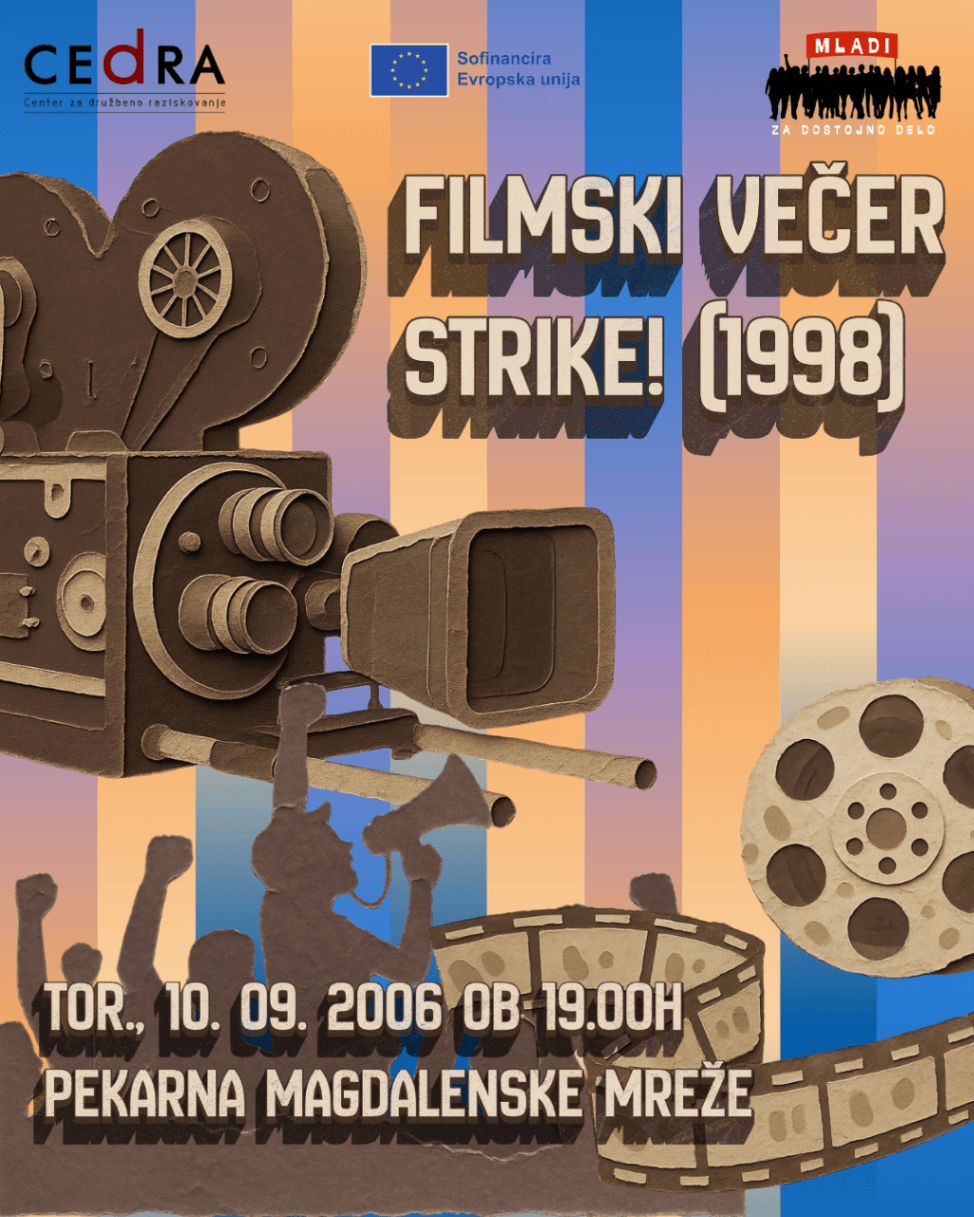
At CEDRA, we are continuing our series of film screenings and reading sessions. We invite you to join us for our next film evening: This time, we will watch Strike! (1998), a comedy about a group of students at an all-girls boarding school who face a major change when the school administration decides to make the school co-educational. What begins as dissatisfaction with decisions made by the school authorities gradually develops into organised resistance, as the students come together, challenge authority and attempt to have a say in decisions affecting their lives. Through humour, the film explores questions of solidarity, collective organising, power relations, resistance and collective action. Although the story is not directly about workers' organising, it provides an interesting starting point for considering how individuals come together around a shared problem, how a collective develops and what power people can gain when they begin to act together. The screening will be followed by a group discussion in which we will connect the themes of the film with questions of collective organising, solidarity and the active participation of young people in social processes.
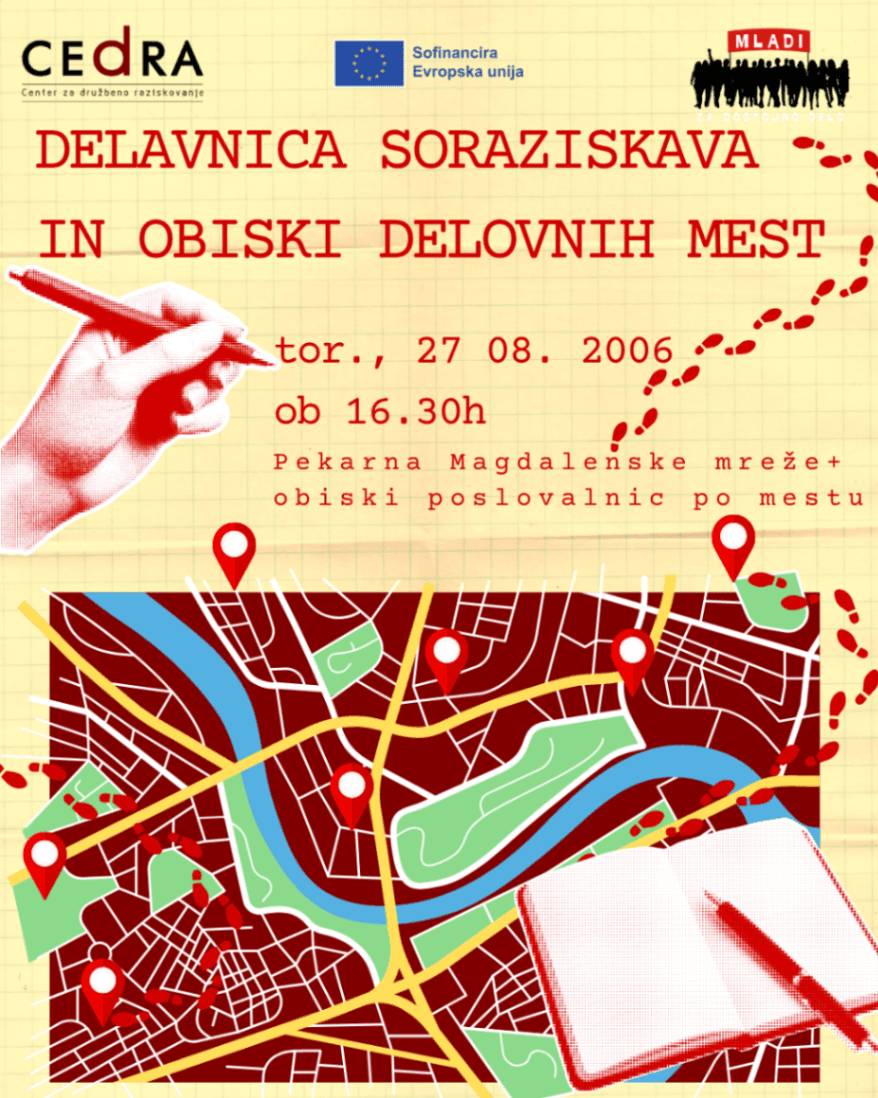
At CEDRA, we are continuing our activities as part of the project Youth for Decent Work, the Common Good and the Environment. We invite you to join our next workshop: This time, we will combine our knowledge of co-research and mapping with practical fieldwork and workplace visits. In the first part of the workshop, we will revisit the basic approaches to co-research and mapping and explore how these methods can help us better understand working environments, identify key actors, relationships and shared problems, and prepare for direct contact with workers. In the second part, we will put this knowledge into practice. We will divide into smaller field teams and visit retail stores, where we will establish contact with workers and learn about their experiences, working conditions and the problems they face through direct conversations. Particular attention will be paid to active listening, building trust, identifying shared problems and recognising opportunities for collective action.
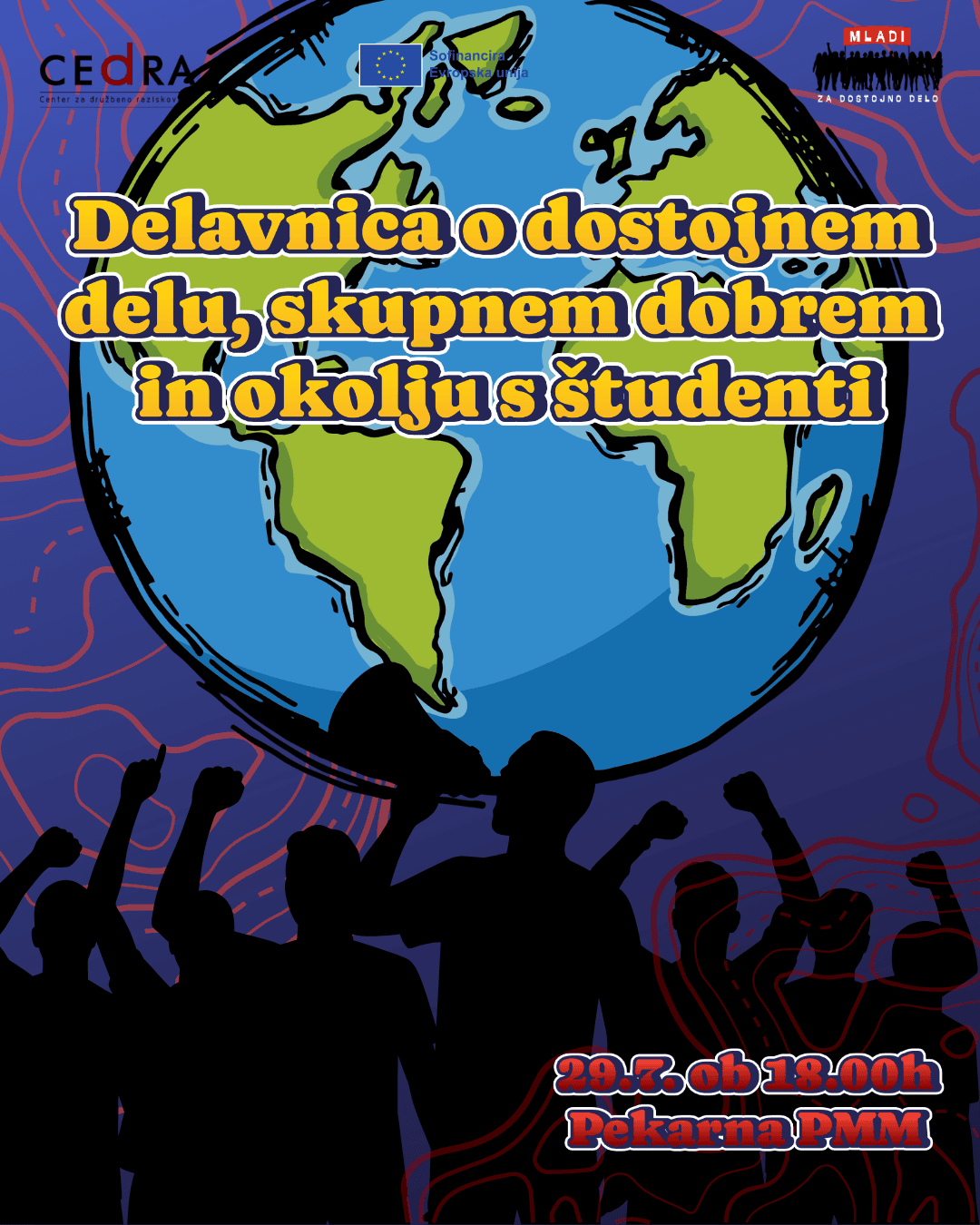
At CEDRA, we are continuing our activities as part of the project Youth for Decent Work, the Common Good and the Environment. We invite you to join our next workshop: This time, together with university students, we will explore fast fashion as a concrete example of the connections between consumption, global supply chains, workers' rights and environmental issues. Using everyday clothing as a starting point, we will examine its journey from production to sale and consider who is involved at different stages, the conditions under which people work, and how power, responsibility and economic interests are distributed among different actors. In the practical part of the workshop, participants will work in smaller groups to analyse the positions of workers, factory owners, major brands, retailers and consumers. Together, we will consider possibilities for improving working conditions, the limits of individual responsibility and the importance of collective solutions. Particular attention will be paid to trade union organising, solidarity and the role of companies and public institutions in ensuring decent work.
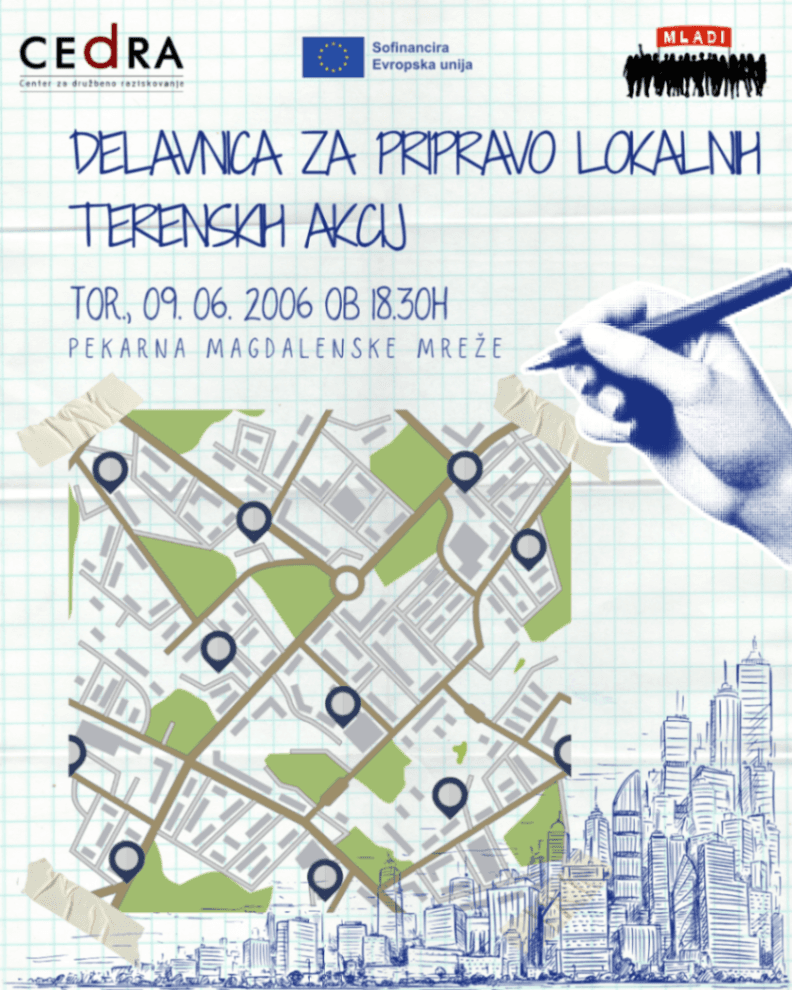
At CEDRA, we are continuing our activities as part of the project Youth for Decent Work, the Common Good and the Environment. We invite you to join our next workshop: This time, we will focus on preparing local field actions and establishing direct contact with workers in their workplaces. Drawing on practical experiences from trade union organising, we will explore how to approach workers, establish initial contact and open conversations about their working conditions, problems and needs. Particular attention will be paid to active listening and identifying problems and interests shared by larger groups of workers. In the practical part of the workshop, we will prepare concrete workplace visits, identify key topics and questions for conversations, and form field teams. We will divide responsibilities within the teams and prepare methods for systematically recording findings from the field. The workshop will therefore enable participants to put their knowledge into practice by preparing concrete local activities.
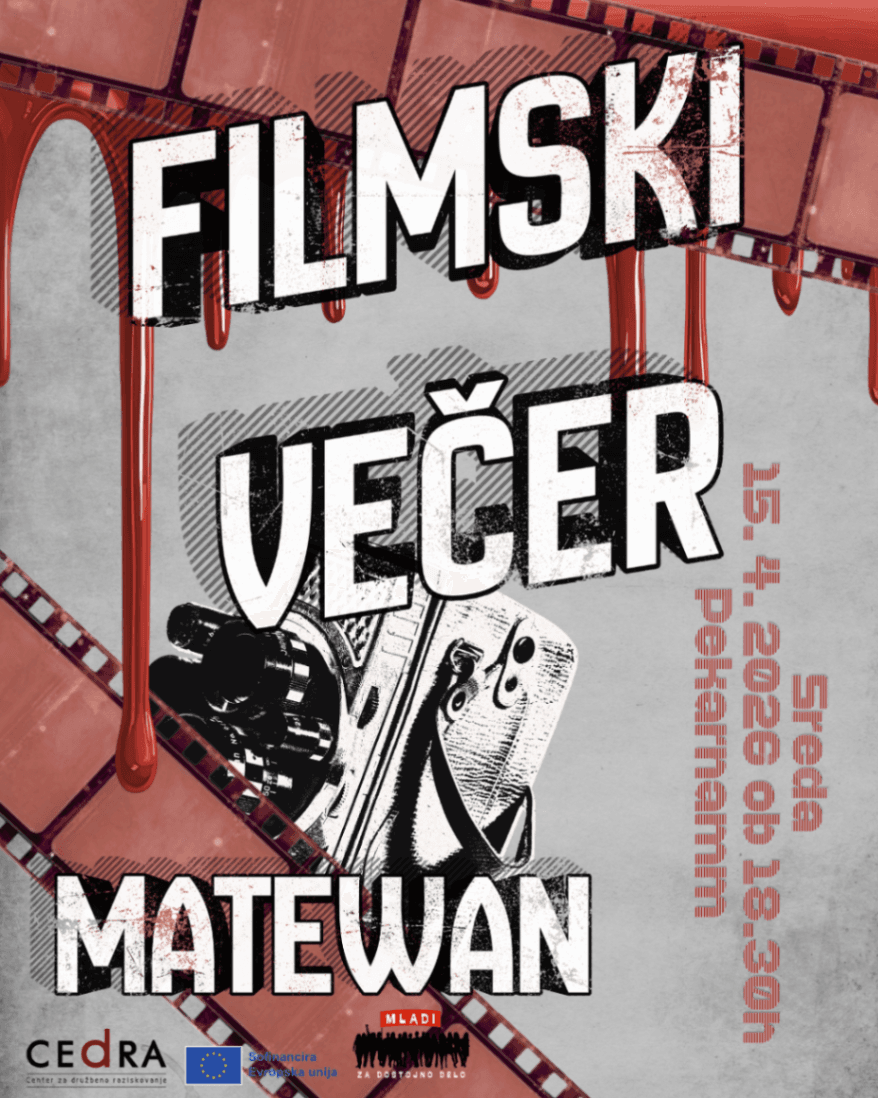
At CEDRA, we are continuing our series of film screenings and reading sessions. We invite you to join us for our next event: This time, we will watch Matewan (1987), a film that explores workers' organising, trade unions, strikes and solidarity through the story of a community of mine workers. The film shows how workers attempt to come together and organise collectively in their struggle for better working conditions, while facing pressure from the company as well as racial, ethnic and other divisions among workers. The screening will be followed by a group discussion focusing particularly on the importance of trade union organising and strikes, power relations between workers and companies, and the different ways in which workers' collective organisation can be weakened or prevented. We will also reflect on why overcoming divisions between workers is important for successful collective action and how the historical experiences portrayed in the film can be connected with contemporary conditions in the world of work.
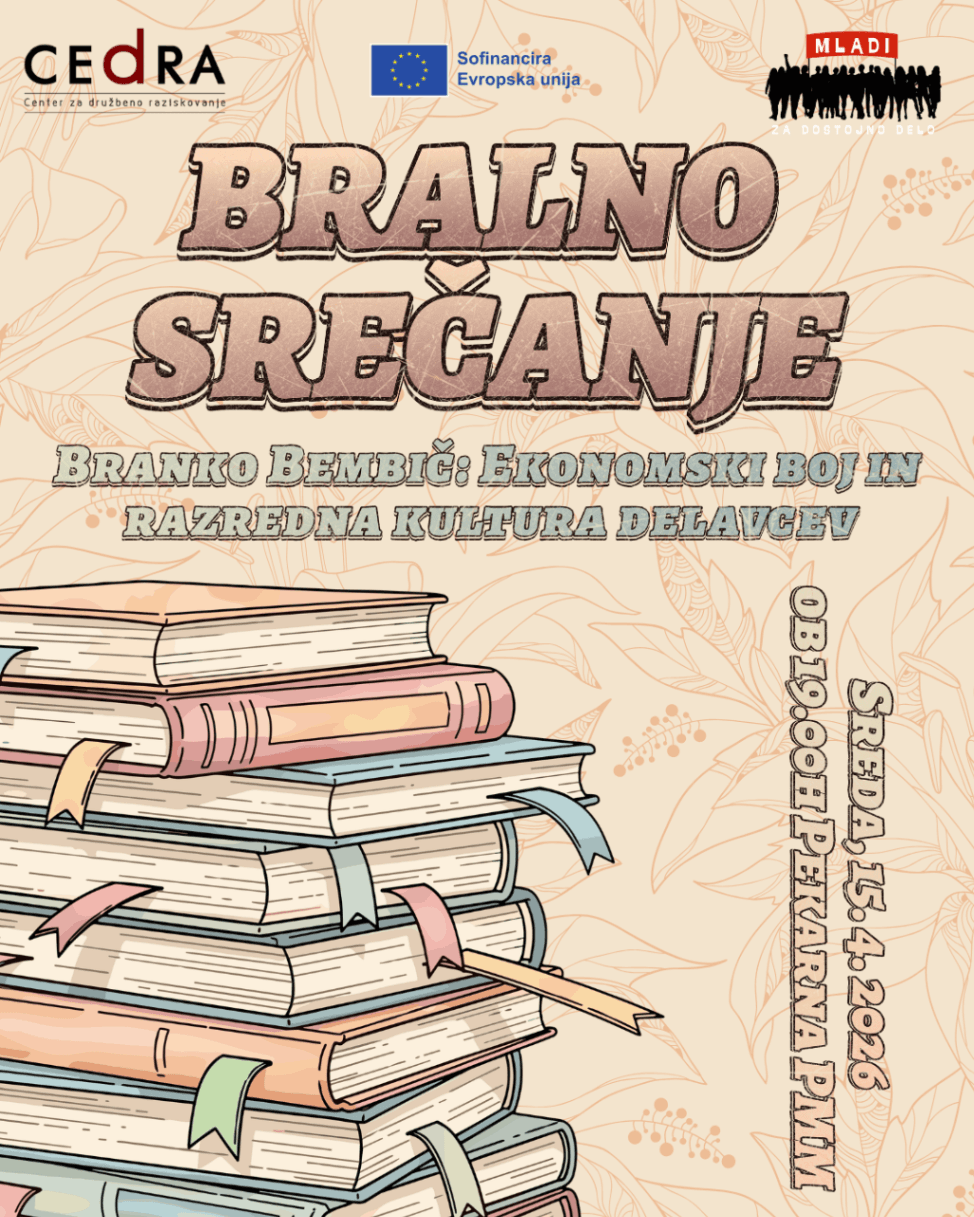
At CEDRA, we are continuing our series of film screenings and reading sessions. We invite you to join us for our next event: We will meet for a reading session to discuss Branko Bembič's text Economic Struggle and the Class Culture of Workers. In the text, the author examines the significance of workers' economic struggles and their role in developing solidarity, collective organisation and class culture. The text raises the question of why workers' struggles for better wages and working conditions are important not only because of the immediate material improvements they can achieve, but also because they can bring workers together, strengthen solidarity and create opportunities for further collective action. You will have time to read the text before the meeting. During the event, we will explore its key arguments together, clarify some of its more complex concepts and connect them with contemporary conditions in the world of work, the role of trade unions and possibilities for workers' organising. The text is attached.
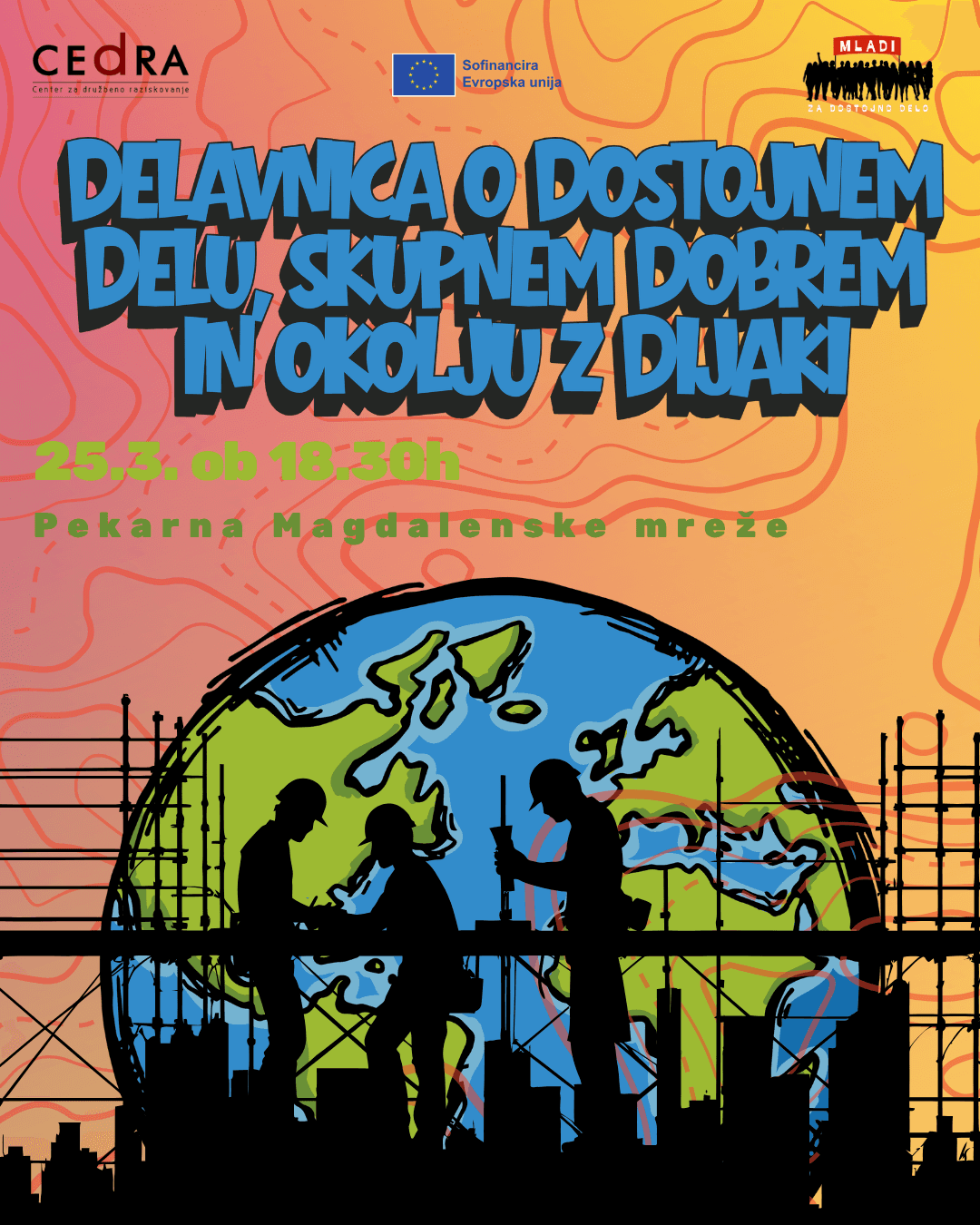
At CEDRA, we are continuing our activities as part of the project Youth for Decent Work, the Common Good and the Environment. We invite you to join our next workshop: This time, together with secondary school students, we will focus on the connections between decent work, the common good and environmental issues. We will begin with concrete environmental problems from different local contexts and explore how they are connected with working conditions, economic interests, industry and political decision-making. Among other examples, we will discuss the case of Anhovo in Slovenia, including the impact of industry and waste incineration on the environment and public health, as well as the Rio Tinto project in Serbia and the broader issues of pollution and air quality. Through group work, we will identify key actors and their interests, compare experiences from different countries, and reflect on opportunities for young people to become actively involved and take collective action in addressing environmental and social problems.
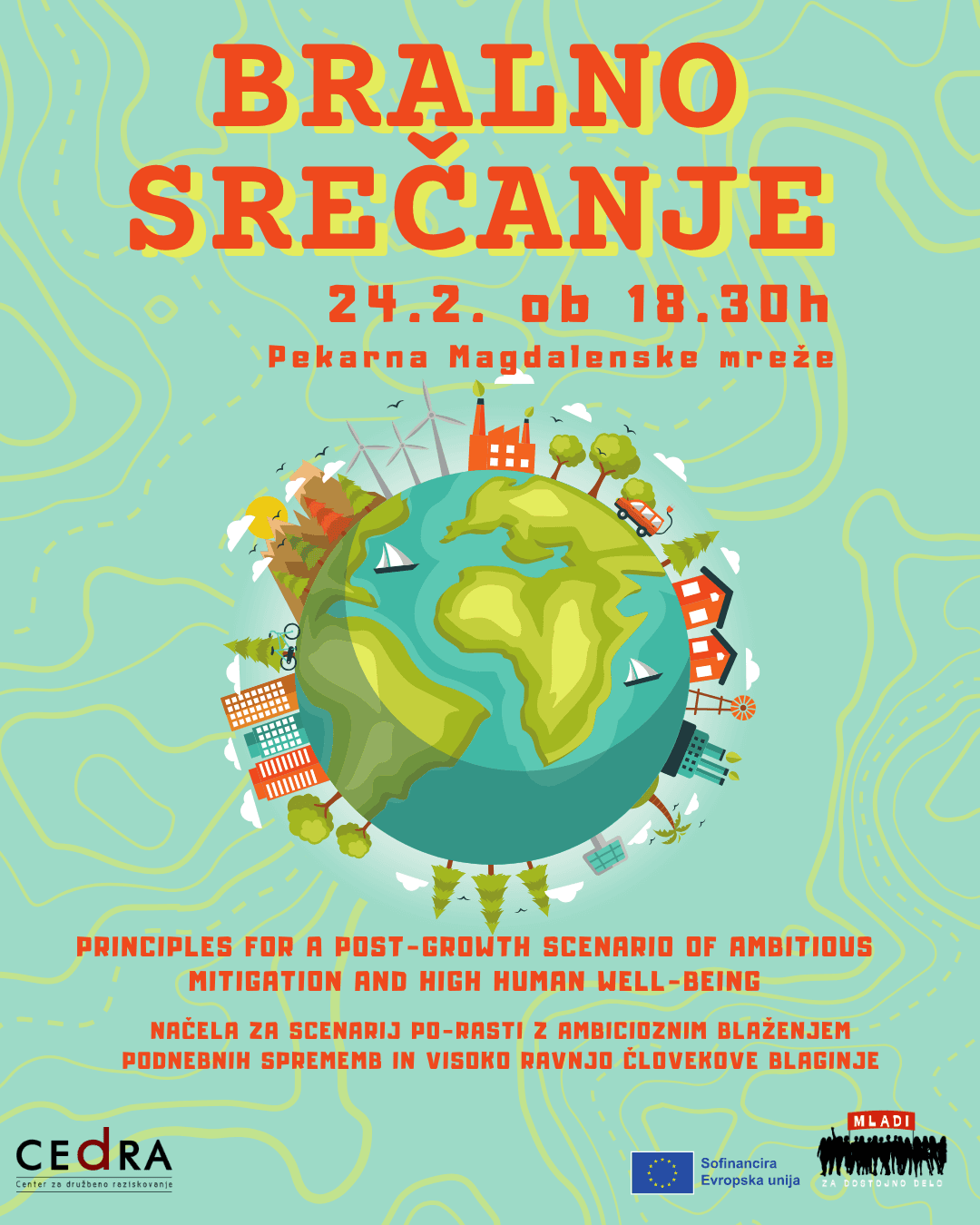
In the Cedra organization, we continue with our cycle of group readings. You are invited to join our next event: We will gather for a reading session dedicated to the article “Principles for a post-growth scenario of ambitious mitigation and high human well-being.” The authors examine the limitations of existing climate mitigation scenarios based on continuous economic growth and present the post-growth approach, which prioritizes human well-being, the reduction of inequalities, and sustainable resource use. You will have time to read the article in advance, and during the meeting we will discuss its key arguments and open a collective debate. We also encourage you to prepare questions, reflections, or critical points for discussion. See you on Wednesday, March 25th at 18:30 at Pekarna Magdalenske mreže (Ob železnici 16). Food and drinks will be provided! We hope to see many of you there!
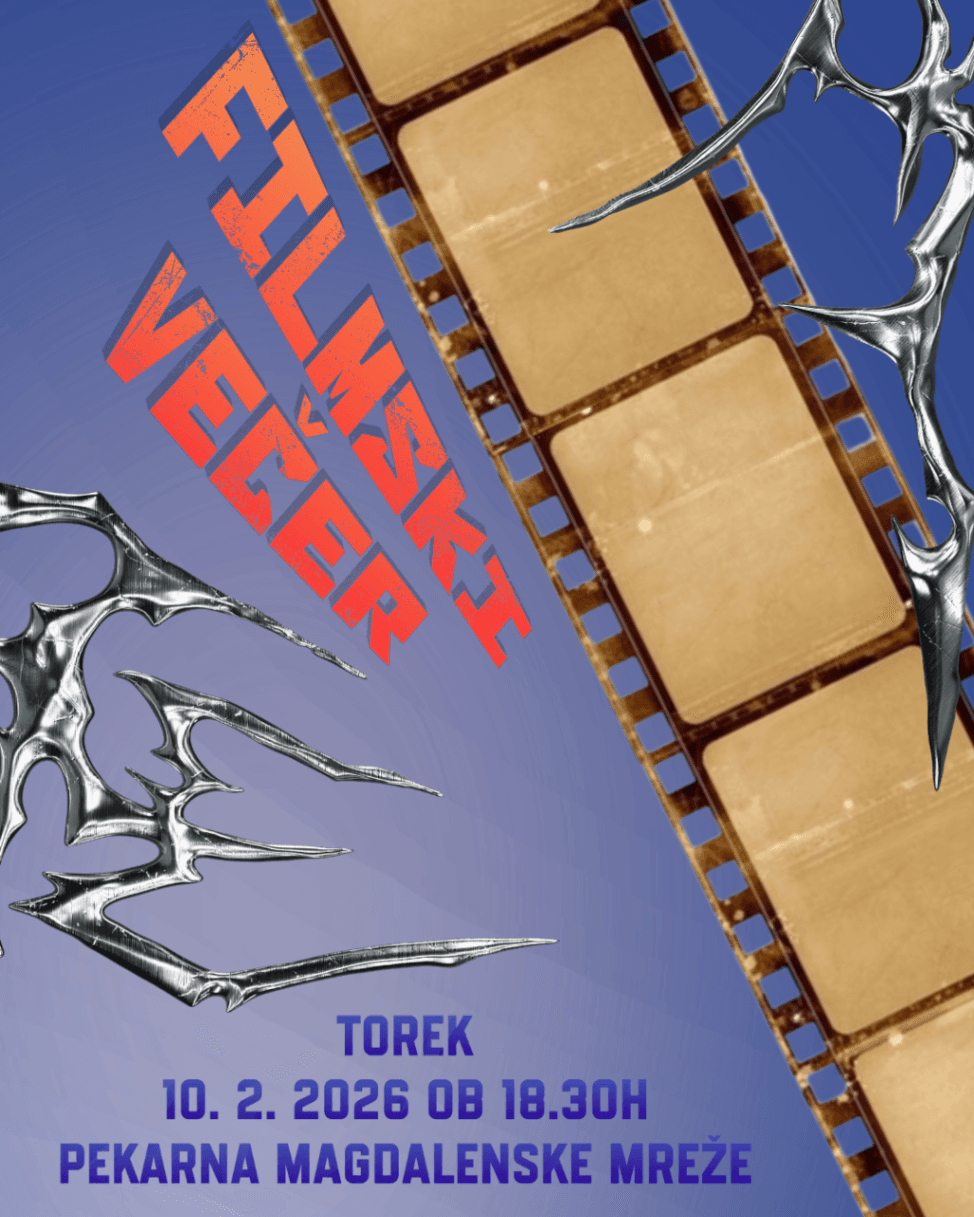
At Cedra, we continue our season of film evenings and Marxist readings. You are warmly invited to our next event: We will be screening The Insider (1999), a biographical drama about the successes and failures of individual resistance against dominant power structures. Based on true events, the film follows a whistleblower who takes on the tobacco industry. It is particularly compelling in the way it portrays this struggle as a form of personal confinement, constantly intensified by the pressure of capital. Join us on Tuesday, February 10, at 6:30 PM at Pekarna Magdalenske mreže (Ob železnici 16). The screening will be followed by a discussion, socializing, and snacks. We hope to see you in great numbers!
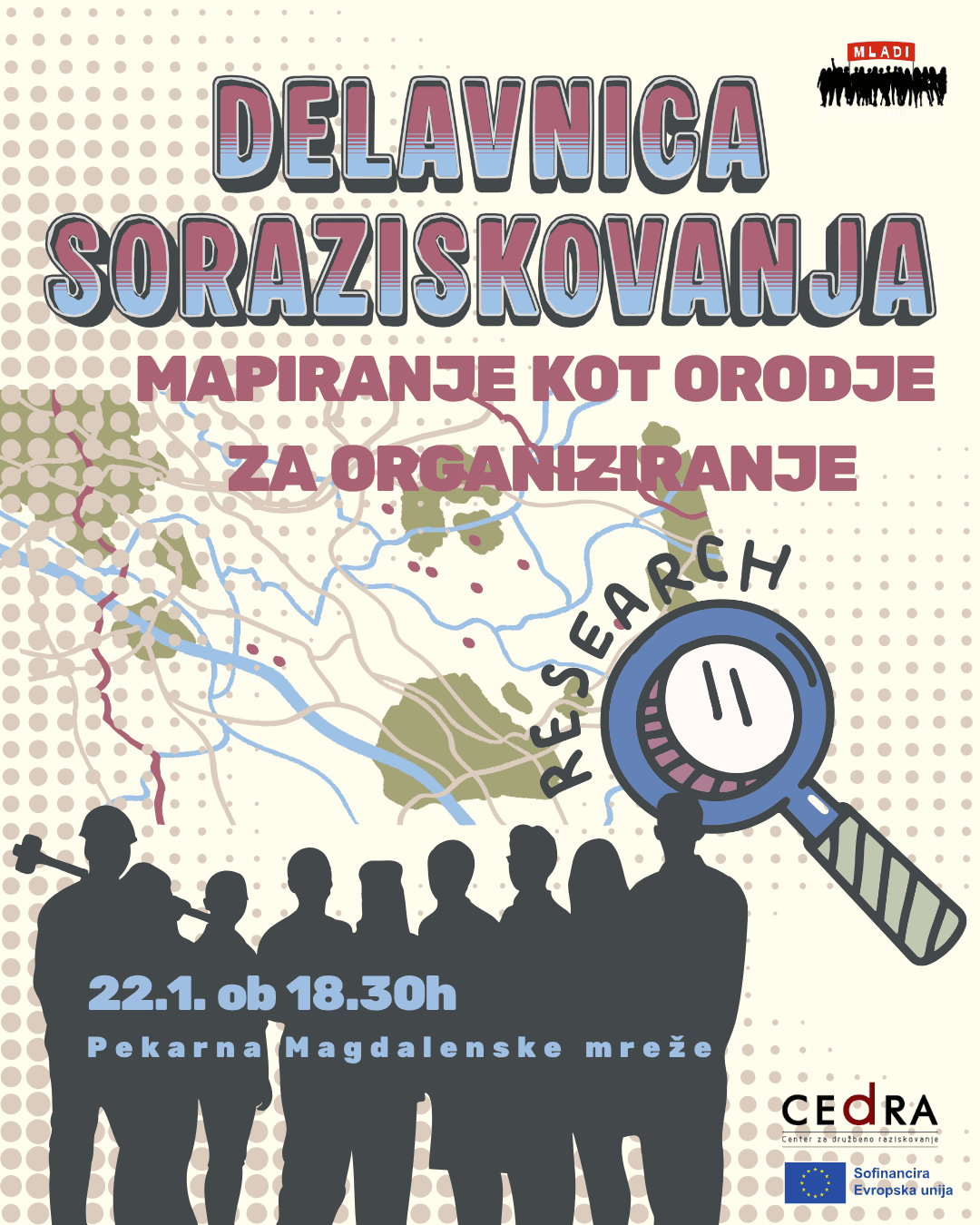
At CEDRA, we are continuing our activities as part of the project Youth for Decent Work, the Common Good and the Environment. We invite you to join our co-research workshop, where we will explore mapping as a practical tool for understanding our environments and supporting collective organising. During the workshop, we will explore how to systematically analyse our study and work environments, identify key actors and problems, and recognise formal and informal power relations. We will discuss why understanding our environment is important when planning collective activities and how mapping can help us identify opportunities for building connections and taking collective action. In the practical part of the workshop, participants will work in small groups to create maps of concrete study and work environments, analyse relationships between different actors, and collectively consider possible strategies and next steps for organising.
At CEDRA, we are continuing our series of film screenings and reading sessions. We invite you to join us for our next event: We will meet for a reading session to discuss Rastko Močnik's text The Labour Market and the Composition of the Working Class. In the text, the author critically examines the concept of the “labour market” and raises questions about the relationship between capital, the state and the working class. The text provides a starting point for reflecting on how class relations are formed and transformed and how they relate to contemporary forms of work, precarious employment and the position of workers. You will have time to read the text before the meeting. During the event, we will explore its key arguments together, clarify some of its more complex concepts and open a discussion about their relevance to the contemporary world of work. The text is attached.
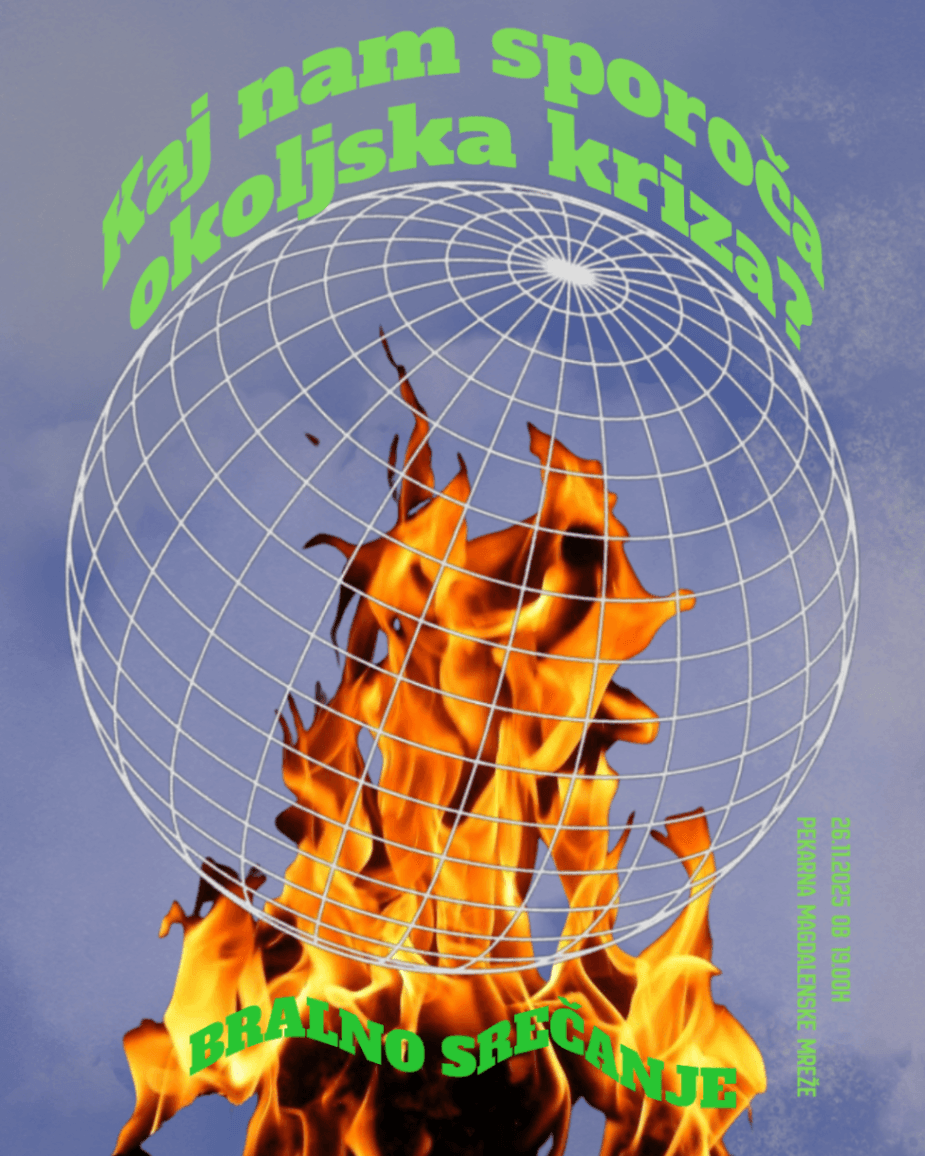
As part of the project Youth for Decent Work, the Common Good and the Environment, we invite all students to a reading session dedicated to exploring the key themes presented in the article What Is the Environmental Crisis Telling Us? by Izidor Ostan Ožbolt. The session will take place as a guided group discussion, where we will examine the unfolding ecological breakdown and the structural factors that shape it. At the event, we will collectively identify and reflect on the central ideas of the text—planetary boundaries, systemic drivers of environmental degradation and the deep connections between the economic system, social inequality and the climate crisis. Participants will have the opportunity to share their views, observations and questions, while we also highlight the importance of solidarity, collective action and community organising when addressing systemic environmental challenges. The main aim of the session is to encourage young people to think critically about the roots of the ecological crisis, the unequal distribution of responsibility and impacts, and the possibilities they have—both individually and as an organised community—to contribute to meaningful and just societal change. The event will offer students a space to express their opinions, exchange perspectives and deepen their understanding of the environmental crisis in its broader social context.
As part of the project Youth for Decent Work, the Common Good and the Environment, we invite all young people to a workshop on climate (in)justice, where we will explore the challenges that the environmental crisis brings to young people and the local community. The workshop will present key aspects of climate change, the exceeding of planetary boundaries, and the question of why we are not all equally responsible nor equally affected. The event is organised in cooperation with the initiative Youth for Climate Justice Maribor. During the workshop, we will map the most pressing local environmental and climate-related issues and reflect on how young people can organise to improve conditions in our community. Participants will have the opportunity to share their observations, experiences and ideas, while we also introduce tools for collective action that strengthen solidarity, engagement and proactive responses to systemic challenges. The main aim of the workshop is to encourage reflection on how systemic changes shape our everyday lives, what possibilities we have—both as individuals and as an organised community—to seek fair and sustainable solutions, and how we can build a greener, safer and more inclusive future. The event will be an opportunity for young people to express their opinions, raise questions and contribute to a broader discussion on climate justice.
As part of the project Youth for Decent Work, the Common Good and the Environment, we invite all students to a workshop dedicated to exploring the challenges young people encounter during their studies and compulsory practical training in the health care field. The workshop will take place at the Faculty of Health Sciences, University of Maribor, and will be organised in collaboration with Polona T. Aškerc, Secretary General of the Trade Union of Health and Social Care of Slovenia. During the event, we will work together to map key issues that arise within the educational process and the broader health care system. Participants will have the opportunity to complete a short questionnaire about their experiences, observations and suggestions, while our information stand will raise awareness about the importance of solidarity, collective action and organising when addressing systemic problems. The main purpose of the workshop is to encourage reflection on the conditions of compulsory practical training, the challenges awaiting students as they enter the labour market, and the possibilities they have—both as individuals and as an organised community—to contribute to meaningful solutions. The event will provide a space for young people to share their views, exchange experiences and help deepen the understanding of students’ position within the health care sector.
At the Cedra Association, as part of our Erasmus+ project, we continue with our film evenings. This time we will be screening the French film Full Time (2021), an intense social drama that follows a single mother struggling with the pressures of everyday life. With a pace bordering on a thriller, the film reveals the challenges of precarious work, the invisible emotional burden, and the unwavering determination of an individual trying to maintain balance in a world that constantly slips away from her. After the film, we will have a discussion and social gathering. We hope to see many of you there!
.png&w=3840&q=75)
.png&w=3840&q=75)
.png&w=3840&q=75)