Youth for Decent Work, the Common Good, and the Environment
Opportunities to learn, organise, and drive real change.
About the Project
Let’s begin with a question that lies at the heart of our project: How can we ensure decent work and a sustainable future for young people? It’s a question we hear often, yet it remains unresolved. The fact that you’re here shows that you care about this topic, so we will do our best to present the project in a clear, honest, and youth-friendly way.
Read More →
Activities
Reading Session: Article “What Is the Environmental Crisis Telling Us?”
As part of the project Youth for Decent Work, the Common Good and the Environment, we invite all students to a reading session dedicated to exploring the key themes presented in the article What Is the Environmental Crisis Telling Us? by Izidor Ostan Ožbolt. The session will take place as a guided group discussion, where we will examine the unfolding ecological breakdown and the structural factors that shape it. At the event, we will collectively identify and reflect on the central ideas of the text—planetary boundaries, systemic drivers of environmental degradation and the deep connections between the economic system, social inequality and the climate crisis. Participants will have the opportunity to share their views, observations and questions, while we also highlight the importance of solidarity, collective action and community organising when addressing systemic environmental challenges. The main aim of the session is to encourage young people to think critically about the roots of the ecological crisis, the unequal distribution of responsibility and impacts, and the possibilities they have—both individually and as an organised community—to contribute to meaningful and just societal change. The event will offer students a space to express their opinions, exchange perspectives and deepen their understanding of the environmental crisis in its broader social context.
Event report: Reading session: article What Is the Environmental Crisis Telling Us?
Date: 26 November 2025
Context: Project Youth for Decent Work, the Common Good and the Environment (KA145)
Location: Pekarna Magdalenske mreže, Maribor
1. Activity description
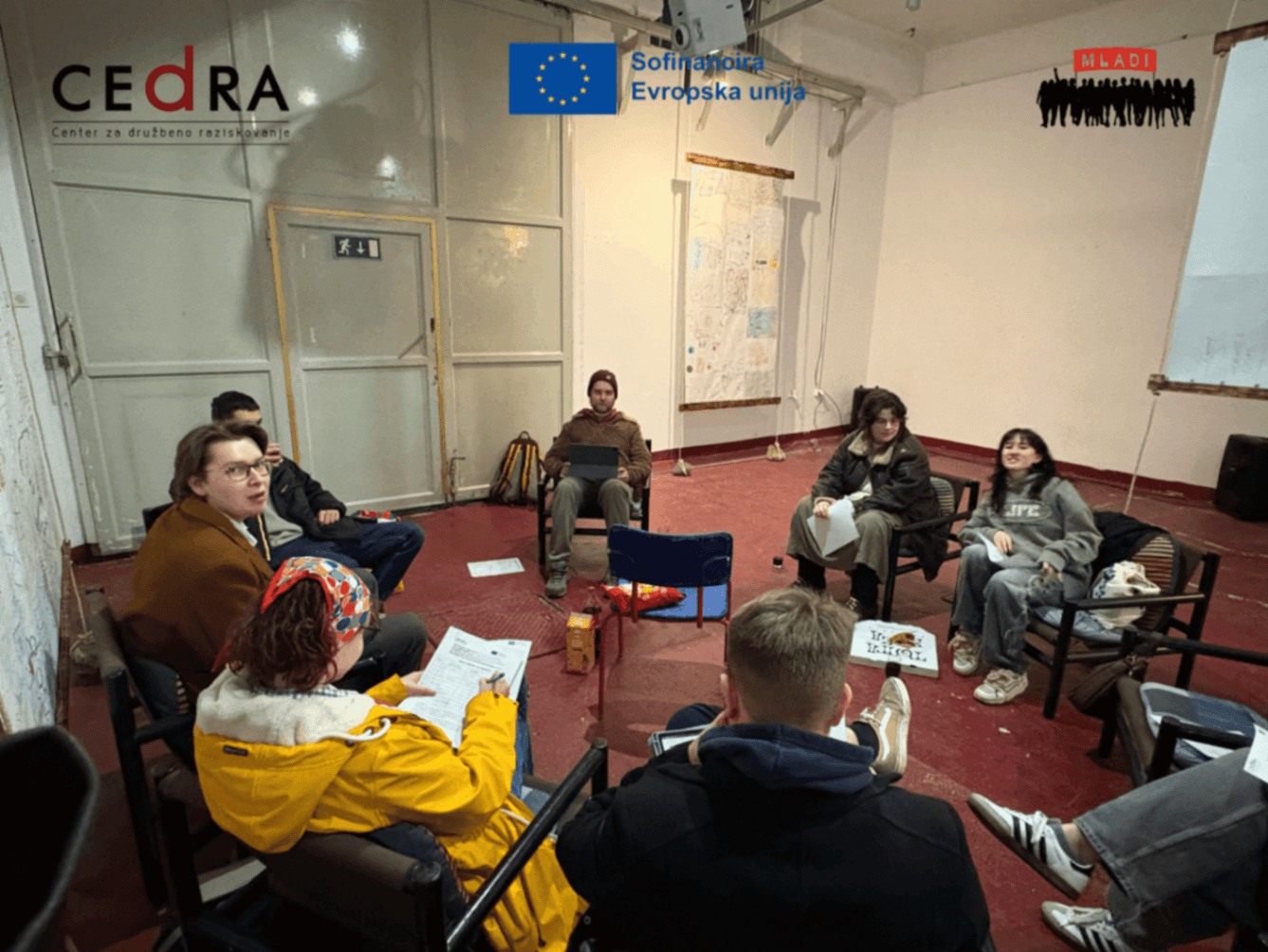
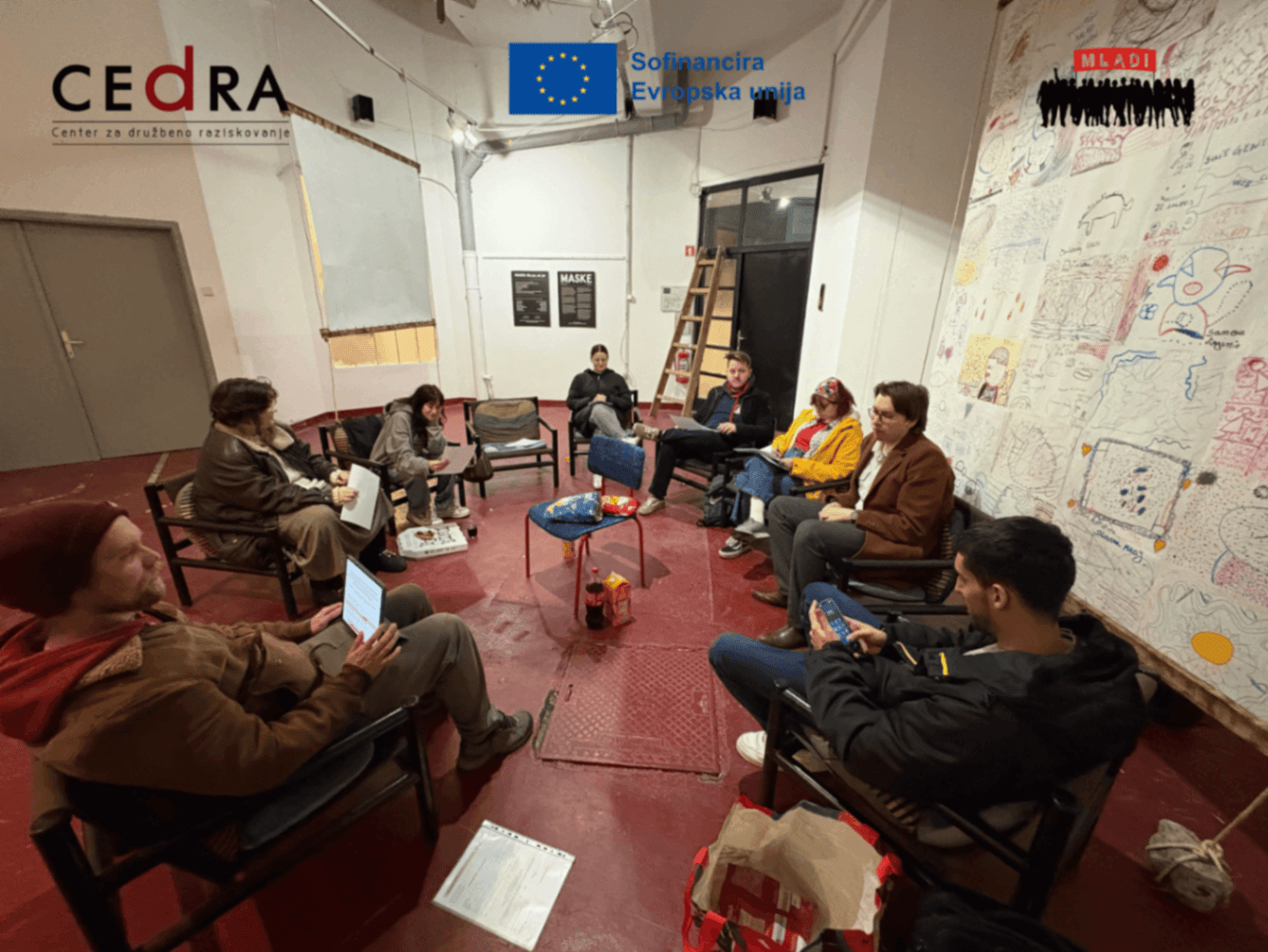
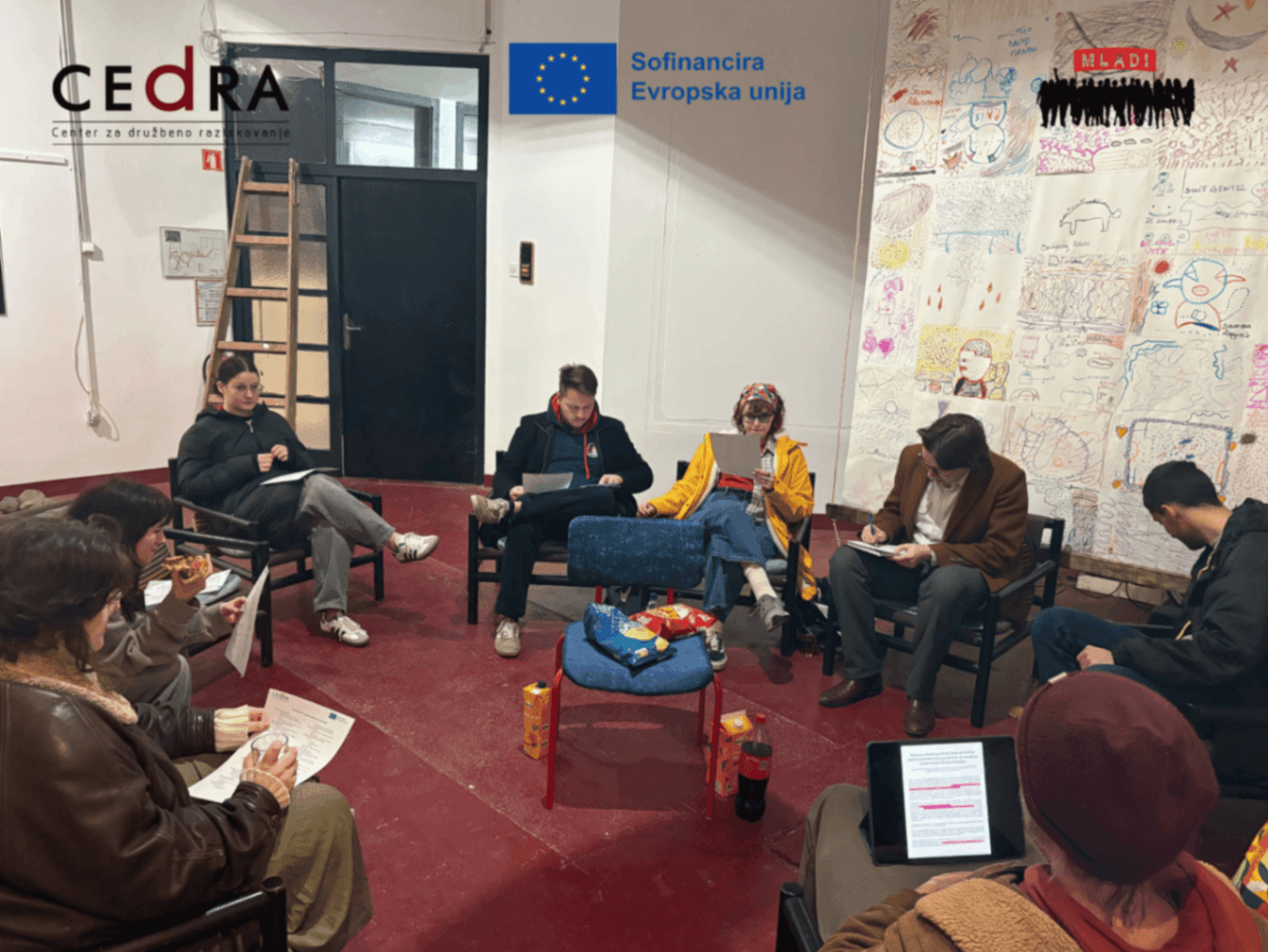
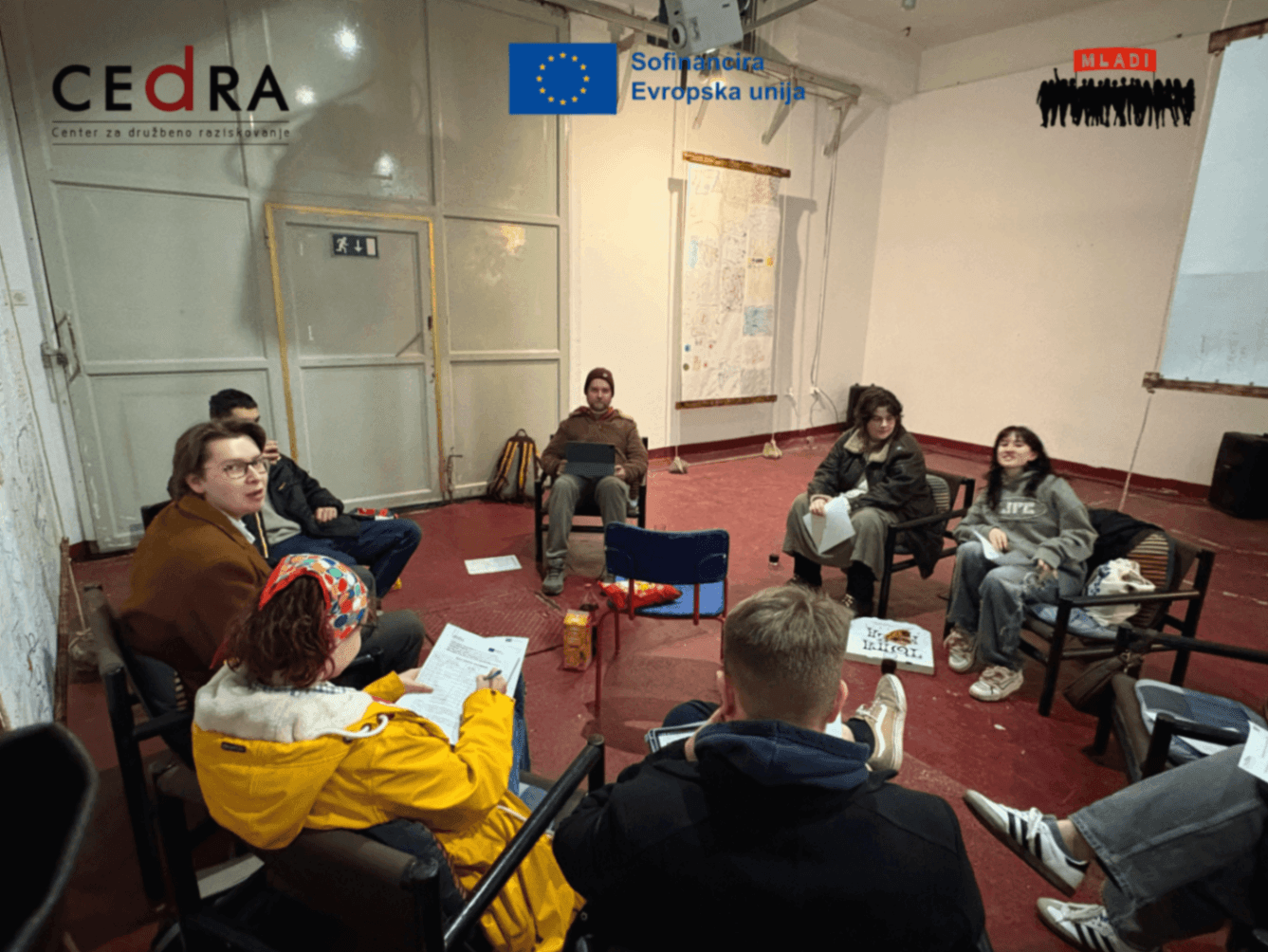
Within the Erasmus+ project, we organized a reading session in which participants received in advance the article by Izidor Ostan Ožbolt, What Is the Environmental Crisis Telling Us?. Participants read the text at home, and the meeting in Maribor was dedicated to collective discussion and reflection on the key themes of the article.
The session took place in a circle; each participant first shared what new insights they gained and which parts of the text were unclear or required further explanation. Based on these points, a moderated discussion followed on environmental issues, capitalism as a structural cause of the ecological crisis, planetary boundaries, and possibilities for systemic change. The session aimed to encourage young people to reflect on the links between environmental issues, economic systems, and social justice.
2. Purpose of the activity
The objectives of the reading session were:
- To deepen understanding of the concept of the environmental crisis and planetary boundaries.
- To present the key structural causes of ecological breakdown highlighted by the author.
- To encourage critical reflection on the role of capitalism, growth, and productivity.
- To open discussion on possibilities for collective, political, and societal action.
- To strengthen skills in reading and understanding social science texts and in argumentation.
3. Session structure and youth involvement
The session was conducted in three parts:
1) Opening circle:
Participants shared what they understood from the article, what surprised them, and which parts were more difficult to comprehend (e.g., Jevons Paradox, the general law of environmental degradation, the concept of abstract time and space).
2) Group discussion:
In the guided discussion, we explored key topics:
- The meaning and importance of planetary boundaries.
- How the imperative of growth and profit logic affects environmental degradation.
- The limitations of technological progress in solving the ecological crisis.
- Fossil fuels and their role in a specific “space-time regime” of capitalism.
- Why environmental action must be anti-capitalist and justice-oriented.
3) Personal reflection by participants:
Participants reflected on their relationship with the environment, observed consumption and growth practices in their surroundings, connections between environmental challenges and social inequalities, and their own opportunities for engagement (schools, communities, youth organizations). The discussion was lively, with participants encouraging critical thinking and connecting the article to everyday life.
4. Achieved results
- High level of active participation throughout the discussion.
- Better understanding of the structure of environmental problems, not just their symptoms.
- Deepened understanding of concepts such as planetary boundaries, environmental crisis, productivity, fossil capital, Jevons Paradox.
- Strengthened ability to critically interpret longer social science texts.
- Expressed interest in further sessions on environmental justice and political ecology.
- The session provided space to reflect on alternatives to the current development model.
5. Learning outcomes and contribution to project goals
The reading session contributed significantly to the project goals, as it:
- Strengthened critical thinking and analytical skills.
- Increased understanding of the connections between environment, work, economy, and society.
- Encouraged interest in socially responsible action.
- Developed argumentation and reflection skills.
- Reinforced mutual solidarity and a sense of community in addressing challenges.
- Enabled young people to actively engage in discussions on topics that will significantly shape their daily lives in the future.
Gallery
See All