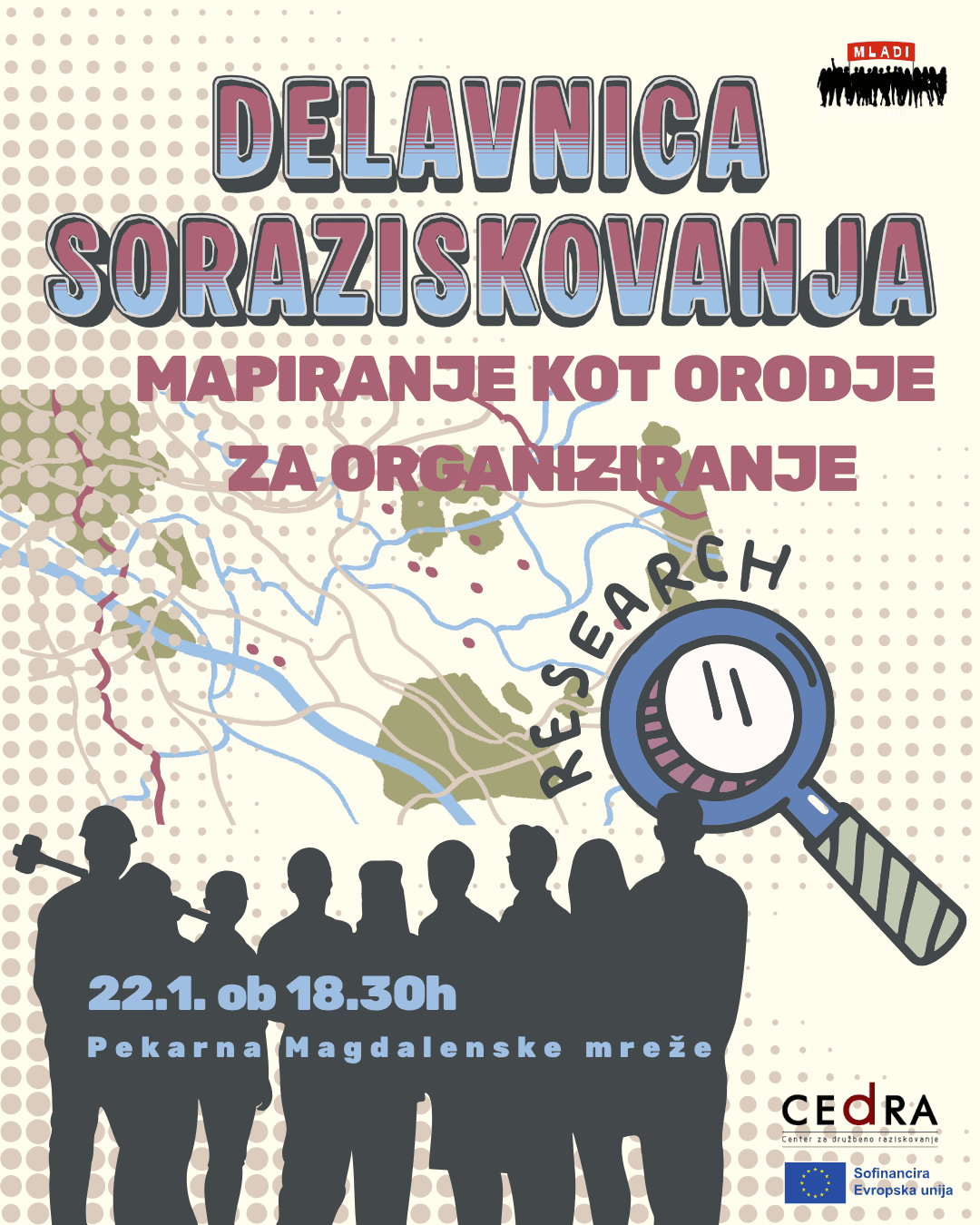
Co-research Workshop – Mapping as a Tool for Organising
Activity Report
Activity Repor
t
Event Report: Co-research Workshop – Mapping as a Tool for Organising
Date: 22 January 2026
Context: Erasmus+ project Youth for Decent Work, the Common Good and the Environment (KA145)
Location: Pekarna Magdalenske mreže, Maribor
1. Description of the Activity
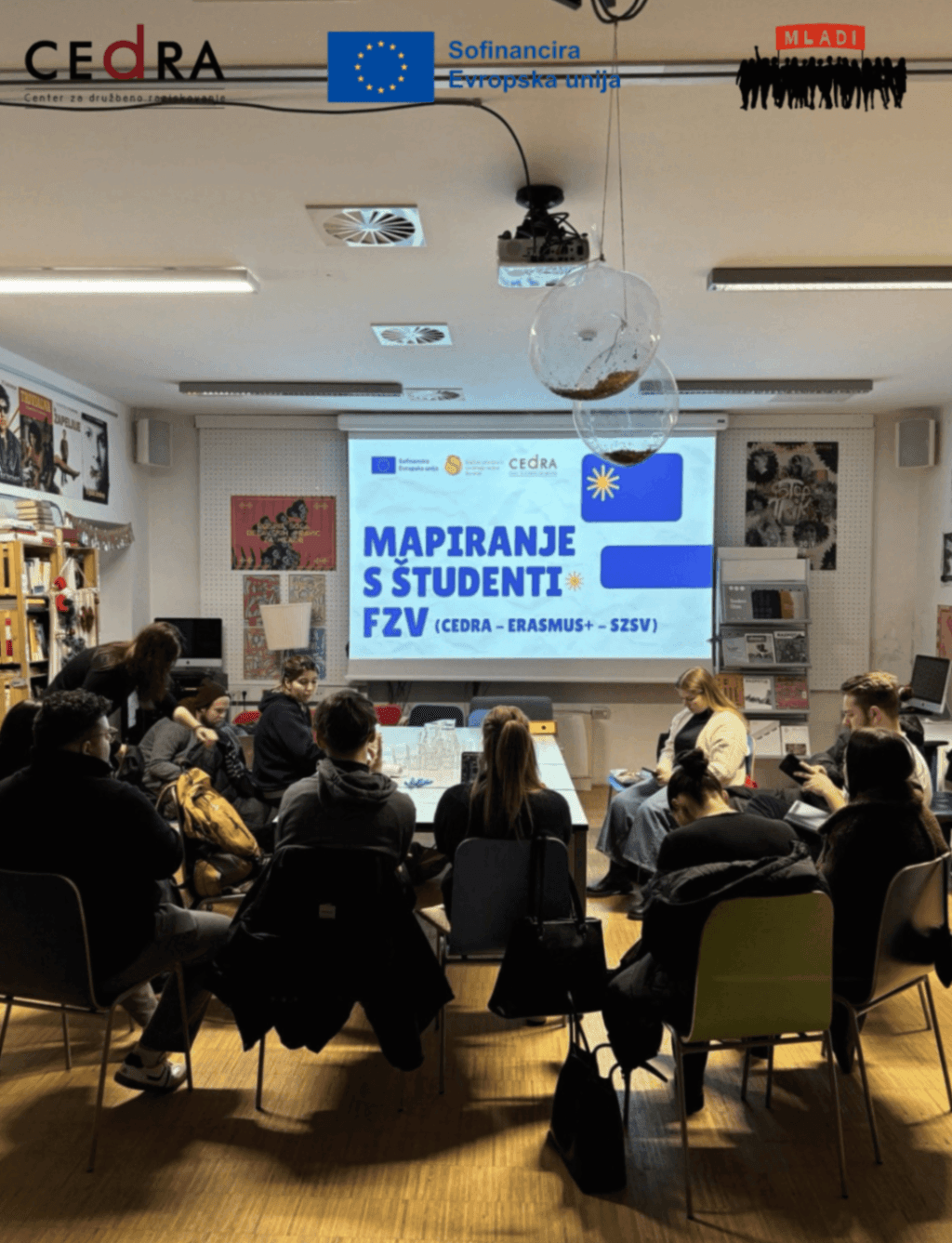
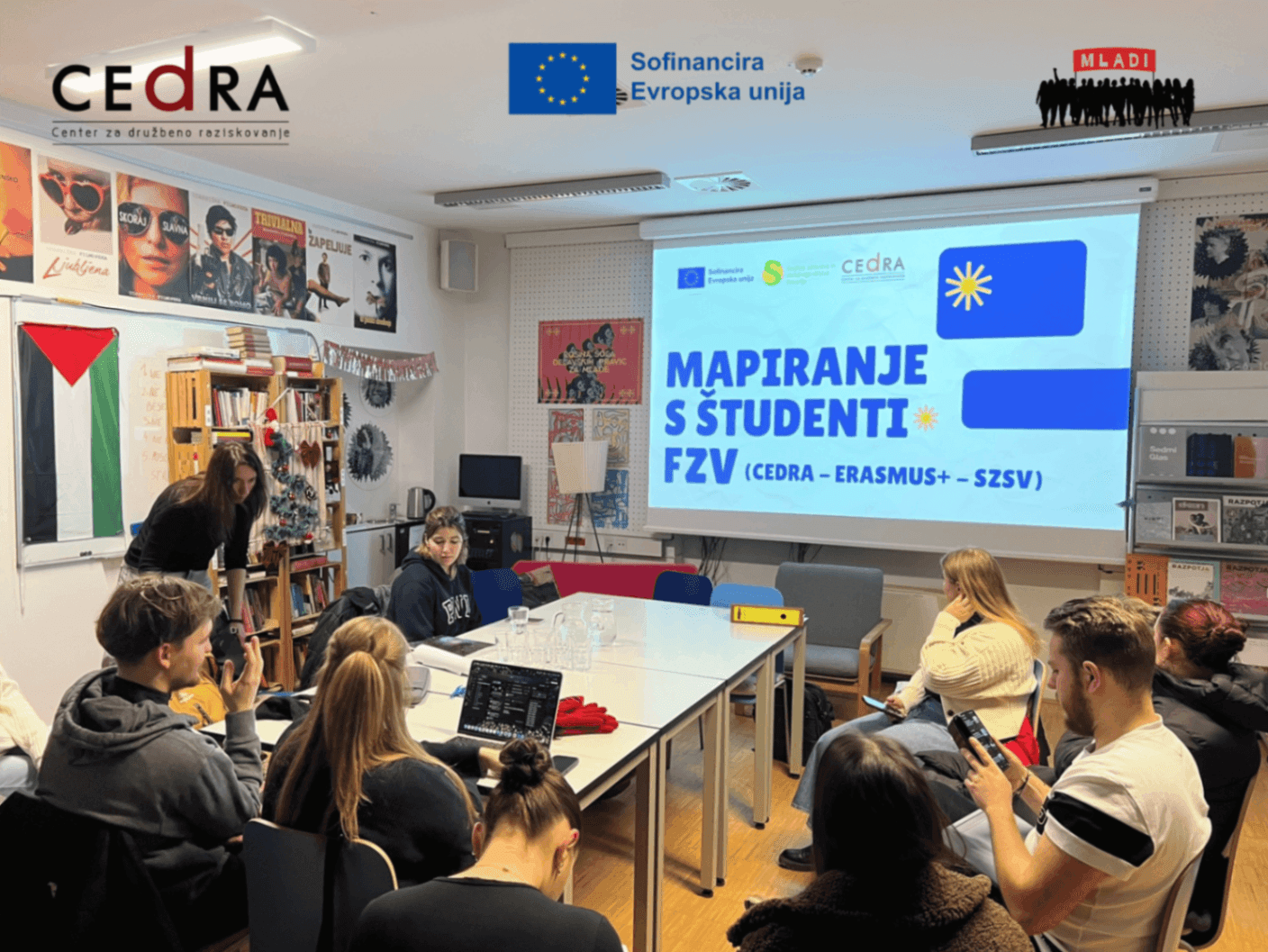
As part of the project, we organised a co-research workshop focusing on the use of mapping as a tool for analysing participants' environments and supporting collective organising. The purpose of the activity was to introduce young people to a practical method through which they can systematically analyse their study and work environments, identify key actors, relationships and power structures, and use this knowledge to plan collective initiatives and further action.
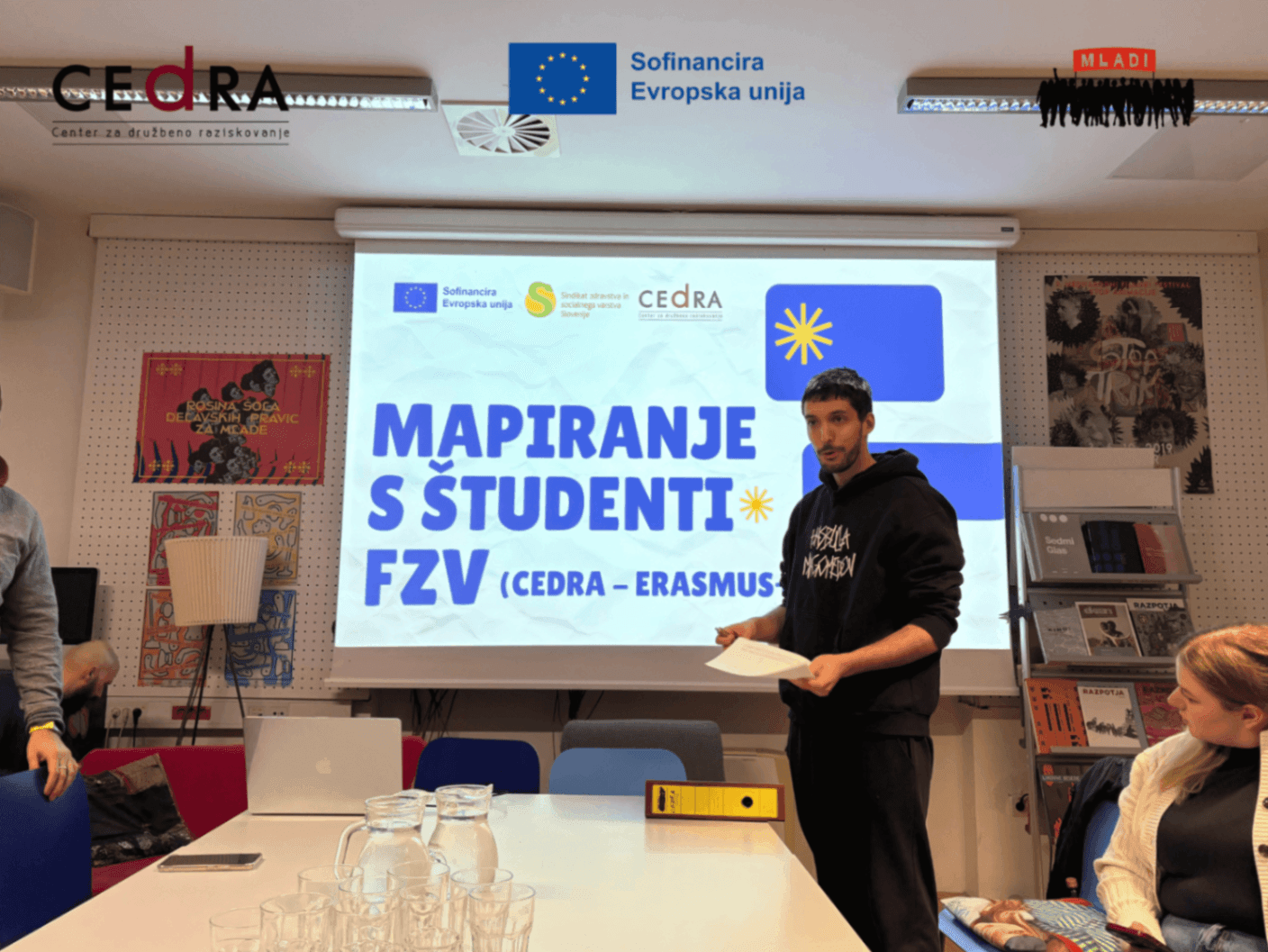
In the introductory part of the workshop, participants were introduced to the basic principles of co-research and mapping and to the importance of systematically collecting and analysing information as part of organising processes. Particular attention was paid to understanding power relations, identifying formal and informal structures, and examining how different actors influence the problems young people encounter in their environments.
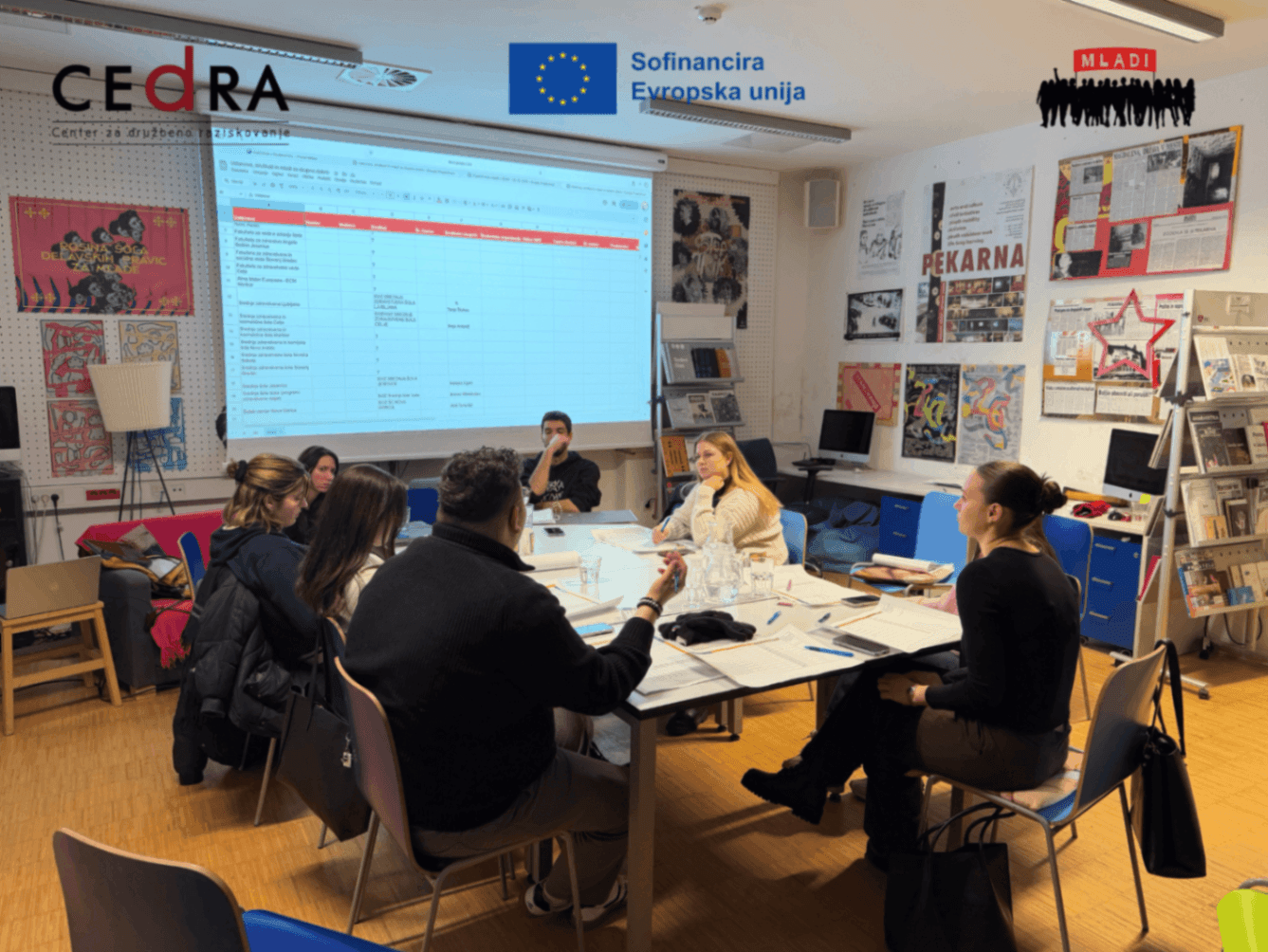
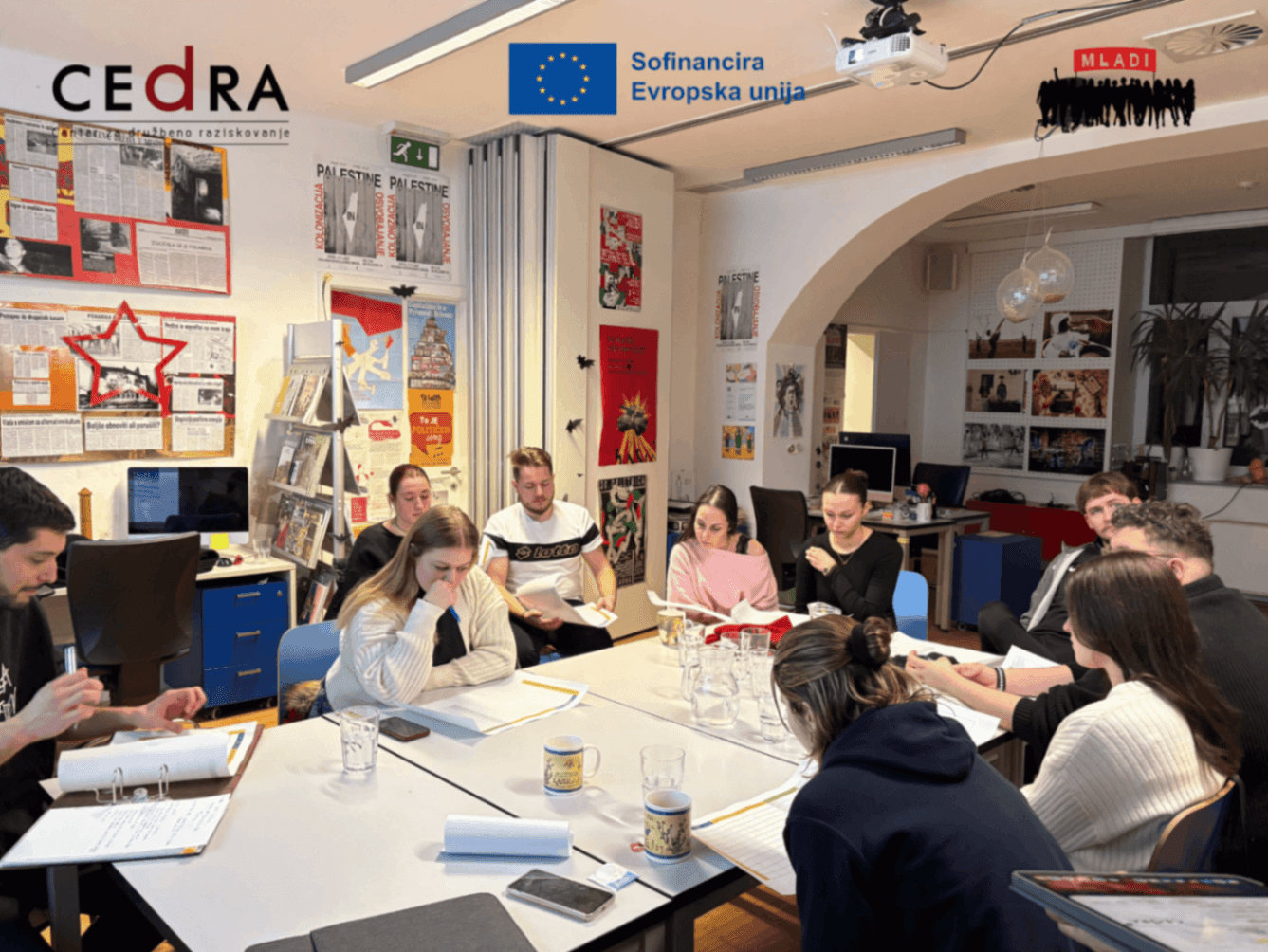
During the practical part, participants worked in small groups to map their study and work environments. They analysed relationships between different actors, identified key problems and connections, and considered possibilities for collective action. The final part consisted of a joint analysis of the maps and findings, followed by a discussion of concrete next steps.
2. Purpose of the Activity
The objectives of the workshop were:
- to introduce young people to mapping and co-research as practical tools for analysing their environments,
- to develop an understanding of structures and power relations within study, work and broader social environments,
- to improve participants' ability to identify key actors, problems and relationships between them,
- to demonstrate the importance of systematic analysis before planning collective activities,
- to develop strategic thinking and the ability to plan organising activities,
- to encourage young people to cooperate, collectively address problems and actively engage with their environments.
3. Process and Youth Participation
The workshop was structured into several interconnected sections:
a) Introduction to Co-research and Mapping
The introductory part presented the method of co-research and mapping as a tool for systematically understanding one's environment. Participants explored how collecting information and analysing it collectively can provide a better understanding of the relationships, problems and structures that affect their everyday lives.
Particular emphasis was placed on the fact that mapping is not simply a method for collecting information but also provides a basis for understanding an environment and planning further action.
b) Identifying Actors and Power Relations
The workshop then focused on identifying key actors within a particular environment and analysing the relationships between them. Participants considered who makes decisions, who holds formal or informal power, who is directly affected by particular problems and who could potentially support change.
This enabled participants to connect mapping with a broader understanding of power structures and social relations.
c) Practical Mapping of Study and Work Environments
The central part of the workshop consisted of practical work in small groups. Participants selected concrete environments from their study or working lives and created maps of them.
They identified key actors, connections between them, important problems, and formal and informal relationships. Group work enabled participants to compare different experiences and collectively develop a more comprehensive understanding of each environment.
d) From Problem Analysis to Strategy
Using the maps they had created, the groups considered which problems were most significant and where opportunities for change existed. Participants analysed which actors would need to be involved, where there was potential for building connections and which obstacles could affect collective action.
In this way, participants began transforming the information gathered through mapping into a basis for developing concrete organising strategies.
e) Collective Reflection and Next Steps
In the final part of the workshop, the groups presented their findings and reflected on their experiences with the mapping process. This was followed by a collective discussion on the usefulness of the method and the possibilities for applying it in future activities.
Participants also considered concrete next steps through which they could continue analysing their environments, building new connections and developing collective initiatives.
4. Achieved Results
The activity was evaluated through a questionnaire and group reflection. Participants assessed their understanding of the mapping method, its usefulness for analysing their environments, their ability to identify key actors and problems, its usefulness for further organising, and the quality of group work and discussion.
The average scores on a five-point scale were:
- understanding of the mapping method: 4.7 / 5,
- usefulness of the method: 4.6 / 5,
- identification of problems and actors: 4.6 / 5,
- usefulness for further action: 4.5 / 5,
- quality of the discussion: 4.7 / 5.
Participants particularly highlighted that the workshop provided them with a concrete tool for developing a more systematic understanding of structures and power relations within their environments. They recognised the value of the method in making complex social relationships more visible and understandable, thereby making it easier to consider possibilities for change.
Group work was evaluated particularly positively, as it enabled participants to compare different perspectives and experiences and to connect theoretical approaches with real-life situations.
The activity therefore contributed to:
- a better understanding of mapping and co-research methods,
- an increased ability to identify structures and power relations,
- improved skills in analysing concrete study and work environments,
- the identification of key actors, problems and relationships,
- the development of strategic thinking about possibilities for collective action,
- the formulation of concrete starting points for further organising.
5. Learning Outcomes and Contribution to the Project Objectives
The co-research workshop made an important contribution to the objectives of the project by providing young people with practical tools for understanding their environments and developing their capacity to actively and collectively address problems.
In terms of knowledge, participants deepened their:
- understanding of mapping and co-research methods,
- knowledge of structures and power relations,
- understanding of organising processes and their relationship to analysing one's environment,
- understanding of the importance of systematic analysis before planning collective action.
In terms of skills, participants developed their:
- ability to systematically analyse their environments and the relationships within them,
- ability to identify key actors and connections between them,
- ability to identify problems and opportunities for change,
- ability to develop basic strategies for organising and collective action,
- ability to cooperate, exchange information and collectively analyse problems.
In terms of attitudes and behaviour, the activity contributed to:
- greater willingness to engage in collective action,
- the development of strategic and longer-term thinking,
- increased confidence in analysing social situations and power relations,
- greater willingness to cooperate and exchange experiences,
- a stronger sense of responsibility, community and solidarity.
The activity therefore directly supported the objectives of the Erasmus+ project Youth for Decent Work, the Common Good and the Environment, particularly by developing young people's practical competences to understand their environments, identify social problems, plan strategically, and actively and collectively participate in shaping change.
Gallery